Artificial intelligence is no longer a technology reserved for large companies or IT specialists. It is gradually becoming a practical tool for the tourism business too.
For marketing, this means new opportunities to create content faster, understand customers better and manage ad campaigns more effectively.
It is worth making clear that AI does not replace a good marketing strategy. As we have already said, it is a tool, one that can help your team work faster, analyse more information and make better-informed decisions.
But how exactly can AI be useful for marketing your tourism business? That is what this article is about. Here are the five ways:
How does AI help with better and more varied content?
Content is a core part of marketing for any tourism business: photos of the hotel, website descriptions, social media posts, blog articles, emails, ad copy and more. All of this takes time and consistency, and AI can make the process much easier.

If you run a seaside hotel, for example, you can use AI to develop content ideas for different audiences, with posts in different designs and with different messages for families with children, couples, guests looking for a short break or travellers planning a longer stay.
This is especially valuable because marketing requires consistency. Instead of your team starting from a blank page every time, AI can provide the first structure, ideas and variations, which can then be edited and adapted to the brand. This saves time and lets the team focus on what is hard to automate, namely an authentic tone and real knowledge of the business and its customers.
How does AI help you understand your customers better?
A tourism business rarely has just one type of customer. A hotel may attract families in summer, couples on romantic weekends in spring and autumn, and corporate groups in winter. Each of these customers has different needs and expectations.
This is exactly where AI can help, by analysing large amounts of information from enquiries, reviews, surveys, social media comments or ad campaign results. This makes it possible to spot recurring themes and trends: what guests like, what they are unhappy with, which questions they ask most often and which services matter most to them.
This information can directly shape the way you communicate with potential customers. If the analysis of your reviews shows, for example, that guests most value the peace and quiet, the breakfast and the nearby natural sights, these features can become the basis of your future content and ad messages. Instead of the generic "Your perfect holiday awaits", you can talk specifically about the things that really matter to your guests.
How does AI help personalise ads and communication?
The same ad message does not always work equally well for all potential customers. Someone looking for a family holiday has different motives from a customer planning a trip with friends or looking for a luxury holiday in an exotic destination.

AI can help travel agencies create different versions of their ad messages depending on the audience, the destination and the type of trip. If an agency offers an organised tour of Italy, for example, communication aimed at families can focus on the convenient itinerary, places that children will enjoy and a relaxed journey. For a younger audience, the same tour can be presented through the experiences, the free time, the local cuisine and the chance to discover new places.
AI can also help develop and test different ad copy, headlines and calls to action. This way a travel agency can quickly create and compare different approaches to the same offer and find out which messages attract the most interest.
This matters especially in tourism, where the decision to buy is often emotional. When an ad shows not just the destination but the experience a particular customer is looking for, it has a better chance of catching their attention and leading them to the next step, whether that is a visit to the website, an enquiry or a booking.
How does AI help analyse marketing results?
Data is everywhere, from website visits, ad campaigns and enquiries to bookings, phone calls, emails and social media. The problem is often not a lack of information but that there is too much of it, and it is not always easy to see the full picture.
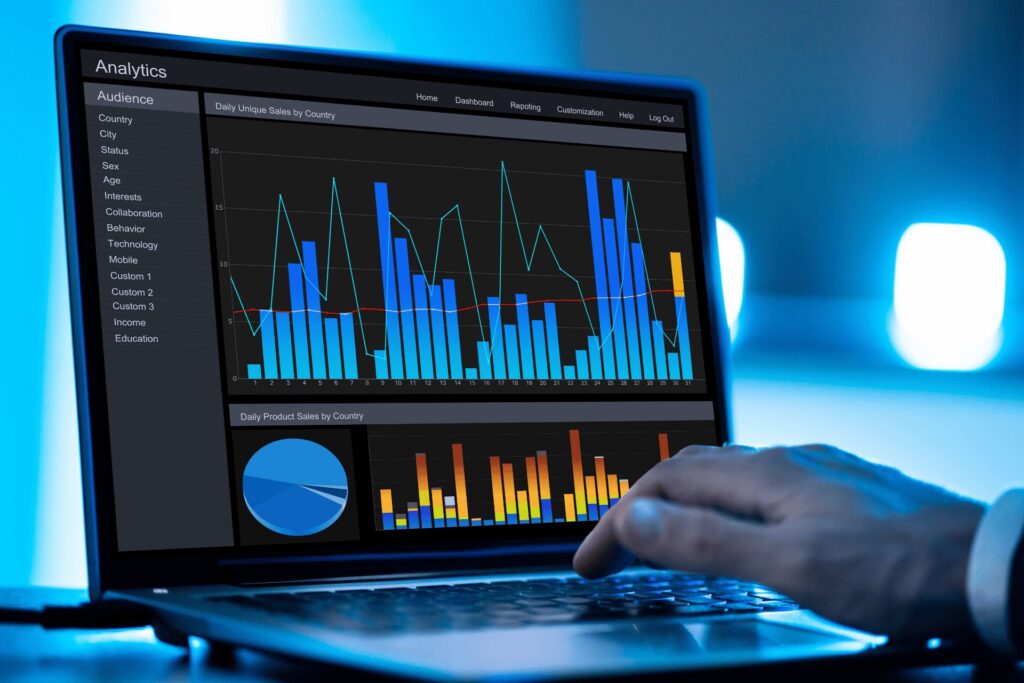
AI can help analyse this data and spot trends, for example which campaigns bring in the most enquiries, which audiences respond best or which offers generate the most interest.
This allows marketing decisions to be based more on real results and less on gut feeling. If a campaign gets a lot of clicks but almost no enquiries, for example, that may be a sign that the problem lies not in the ad itself but at the next stage, such as the offer, the landing page, the enquiry form or the way the information is presented.
Of course, data should always be read in the light of the specific business, the season and the goals that have been set. AI can speed up the analysis and help uncover certain patterns, but the final decisions should also draw on the experience and expertise of the marketing team.
Which everyday tasks can AI take over in tourism marketing?
Marketing involves many repetitive tasks, such as preparing copy variations, summarising information, planning content, analysis, preparing reports and processing various materials.
Some of these processes can be automated or significantly sped up with the help of AI. This is especially useful for smaller tourism businesses, where one person is often responsible for marketing, customer communication and a number of other daily tasks at the same time.
When AI takes over part of the repetitive work, the team gains more time for activities that need human judgement and direct communication, such as working with customers, developing services, creating new offers and building a long-term marketing strategy.
This is one of the biggest practical benefits of AI: it frees up time for the work that matters more, rather than simply doing more work.
Artificial intelligence can make marketing for tourism businesses faster, more personalised and more data-driven. It can help with content, customer analysis, advertising, interpreting results and automating repetitive tasks.
The best results, however, come when technology works together with a clear strategy and human expertise.
If you want to find out where AI can really be useful for your tourism business and how to use it as part of your overall marketing, contact us for a consultation. We will discuss your goals, your current marketing activities and the opportunities for working more effectively with AI.
Phone: 0879 998 500 | Email: info@travelmind.eu | travelmind.eu/kontakti/